trusted seller
imagesMon-Sat 9.00 AM to 6.00 PM
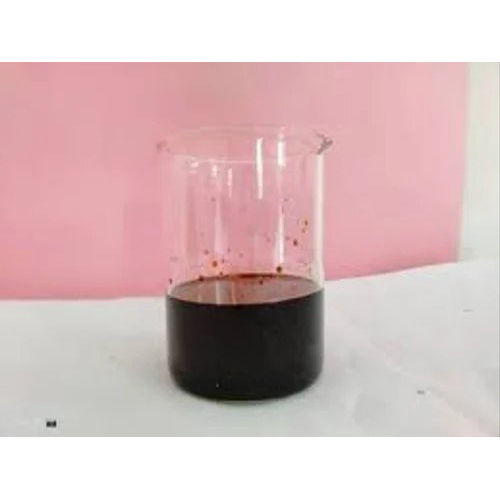
Stain Removing Agents

Stain Removing Agents

Price 100 INR/ Kilograms

MOQ : 200 Kilograms

Stain Removing Agents Specification

  • Chemical Name
  • Stain Removing Agents
  • Application
  • Industrial
  • Application Method
  • Laundry: Typically added during washing in detergent, directly applied to stains, or used as a pre-treatment Surface Cleaning: Applied as a spray or gel for spot treatment on carpets, upholstery, or other surfaces Recommended usage varies based on formulation, but typically involves applying 0.55% of the product to the stained area or fabric Temperature Range: Typically effective between 20C 60C
  • Feature
  • Effective Stain Removal: Removes a wide variety of stains (oil, grease, food, ink, blood, and more) with high efficacy Safe on Fabrics: Designed to be gentle on fabrics, minimizing the risk of damage or fading Enzyme-Based Action: Often formulated with enzymes that break down organic stains like protein, fats, and carbohydrates Multi-Surface Use: Can be applied to various textiles and materials, including carpets, upholstery, and linens Eco-friendly Options: Biodegradable formulations that meet environmental standards available Versatile: Suitable for both industrial and home applications Fast Acting: Many formulations offer quick stain removal with minimal effort or scrubbing
  • Appearance
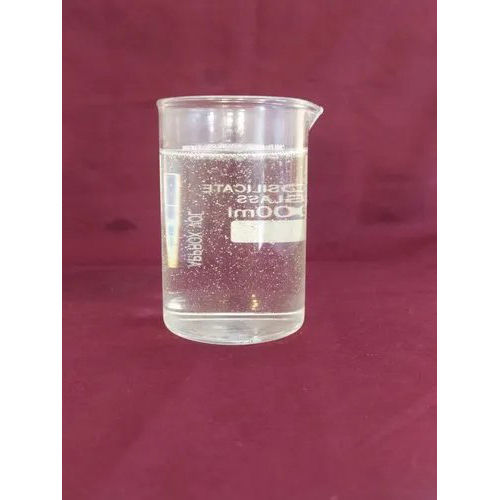
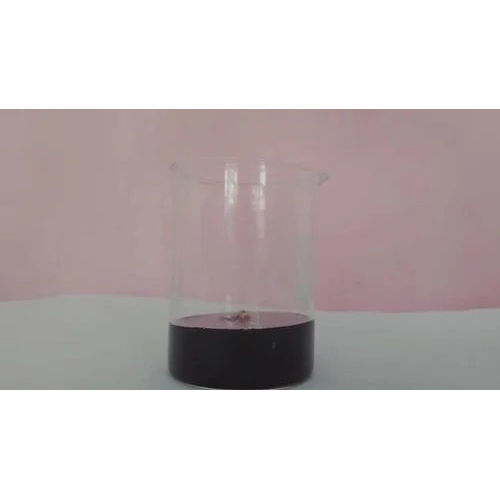
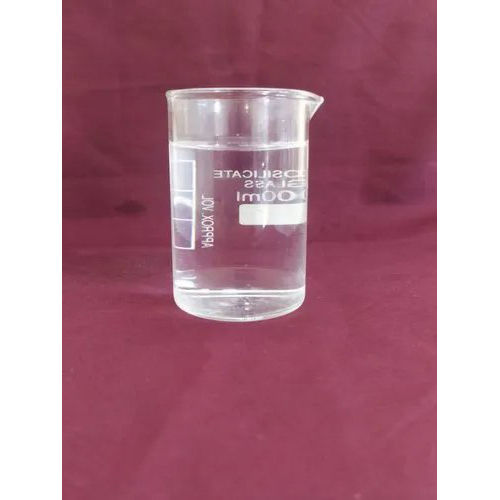
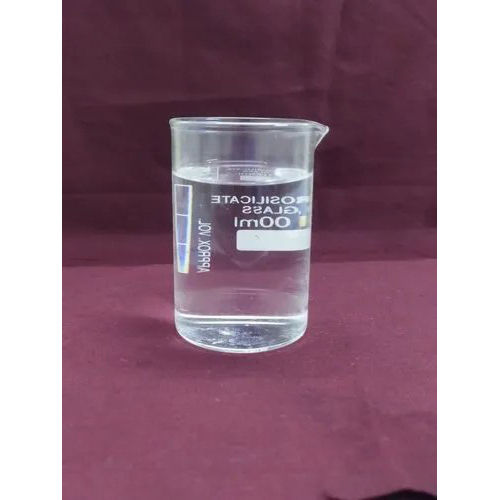
  • Typically colorless to pale yellow liquid, gel, or powder
  • Physical State
  • Liquid
  • Purity(%)
  • 99%
 

Stain Removing Agents Trade Information

  • Minimum Order Quantity
  • 200 Kilograms
  • Supply Ability
  • 1000 Kilograms Per Week
  • Delivery Time
  • 7 Days
 

About Stain Removing Agents


Country of Origin Made in India
Brand STARCO
Color Transparent / Water White
Type Stain Removing
Packaging Size Customized
Packaging Type Carboy
Usage/Application Stain Removing from Polyester and its blends
Form Liquid


Enzyme-Based Cleaning Power

Formulated with advanced enzymes, Stain Removing Agents efficiently break down complex organic stains. These enzymes target proteins, fats, and carbohydrates to ensure thorough removal of stubborn residues from textiles, carpets, and upholstery. Their action is not only powerful but also gentle enough to maintain fabric integrity.


Versatile Multi-Surface Application

These agents offer flexibility for both laundry and surface cleaning tasks. While suitable as a detergent additive or pre-treatment in washing processes, they also excel when used as sprays or gels on carpets and upholstery. Their composition allows them to adapt to a variety of cleaning needs, from household linens to industrial materials.


Eco-Friendly and Safe Formulations

Many Stain Removing Agents are developed with eco-friendly, biodegradable ingredients. Meeting global environmental standards, they provide both effective cleaning and peace of mind regarding safety for fabrics and the planet. Designed to minimize risk of fabric damage, these products offer a responsible cleaning solution.

FAQ's of Stain Removing Agents:


Q: How do you use stain removing agents for laundry applications?

A: For laundry, you can add the agent directly to your washing detergent, apply it directly onto tough stains, or use it as a pre-treatment by soaking the stained area before washing. Always follow the recommended product dosing, usually between 0.5-5% of the total laundry load or fabric weight.

Q: What types of stains are these agents effective against?

A: Stain Removing Agents are formulated to tackle a wide spectrum of stains, including oil, grease, food, ink, and blood. Their enzyme-based action is particularly efficient against organic stains, breaking down proteins, fats, and carbohydrates for superior cleaning results.

Q: When is the best time to apply the product during cleaning?

A: The optimal time for application is before regular washing as a pre-treatment, especially for persistent stains. For general cleaning, you may also add it during the wash cycle. For surface cleaning, apply it directly as needed for spot treatment.

Q: Where can these stain removers be applied besides laundry?

A: These agents are versatile and can be used on a wide array of surfaces, including carpets, upholstery, curtains, and various textiles. Their gentle formulation ensures safe cleaning across different materials without causing fading or damage.

Q: What is the recommended temperature range for using stain removing agents?

A: These products are typically effective within a temperature range of 20C to 60C. Always refer to the manufacturer's instructions to optimize stain removal performance and protect fabric integrity.

Q: How do the enzymes in the formulation enhance stain removal?

A: Enzymes act as catalysts, breaking down organic stain molecules like proteins, fats, and carbohydrates, which allows for faster and more thorough removal compared to non-enzymatic cleaners. This enhances both the efficiency and efficacy of the cleaning process.

Q: What are the key benefits of using these agents in industrial and home settings?

A: The main benefits include rapid and effective stain removal, fabric safety, compatibility with diverse surfaces, and eco-friendly options. These products are user-friendly, reduce the need for intensive scrubbing, and are suitable for a variety of cleaning applications.

Tell us about your requirement
product

Price:

Quantity
Select Unit

  • 50
  • 100
  • 200
  • 250
  • 500
  • 1000+
Additional detail
Mobile number

Email

More Products in Pre-Treatment Chemicals Category

Desizing Agent Starcozym CT Liq.

Desizing Agent Starcozym CT Liq.

Price 95 INR / Kilograms

Minimum Order Quantity : 200 Kilograms

Application Method : Dosage: 0.5 2.0 g/L, depending on fabric and starch content Working Temperature: 4070C pH Range: 5.5 7.0 Compatible with nonionic wetting agents Suitable for batch and continuous desizing operations

Physical State : Liquid

Purity(%) : 9899%

Feature : Effective starch degradation under controlled temperatures Gentle action on fabric no fiber damage Improves absorbency and whiteness of fabric Reduces water and energy use vs. traditional chemical desizing Biodegradable and ecofriendly Minimal backstaining and enhanced washing efficiency

Peroxide Killer

Peroxide Killer

Price 65 INR / Kilograms

Minimum Order Quantity : 200 Kilograms

Application Method : Dosed into rinse bath or neutralization tank Typically used at low concentrations (0.050.5%) depending on peroxide levels

Physical State : Liquid

Purity(%) : 99%

Feature : Fast and effective peroxide neutralization Prevents damage to dyes and fibers Minimizes chemical residue in the final product Reduces water and energy consumption by avoiding excessive rinsing Environmentally safe (biodegradable variants available)

Mercerizing Agent-Aromerse NC Conc.

Mercerizing Agent-Aromerse NC Conc.

Price 175 INR / Kilograms

Minimum Order Quantity : 200 Kilograms

Application Method : Added to caustic soda solution in mercerizing ranges Typical dosage: 0.5 2.0 g/L depending on fabric and process requirements Suitable for continuous and batch mercerization

Physical State : Liquid

Purity(%) : 99%

Feature : Excellent wetting and penetrating power Enhances uniform mercerization of cotton fibers Promotes even dyeing and high color yield Minimizes caustic soda consumption and improves washoff Stable under high alkalinity conditions Low foaming suitable for continuous operations

Desizing Agent Starcozym HT Liq

Desizing Agent Starcozym HT Liq

Price 90 INR / Kilograms

Minimum Order Quantity : 200 Kilograms

Application Method : Dosage: 0.5 2.0 g/L, depending on size content and fabric type Temperature range: 5095C (optimized for hightemperature operation) pH range: 5.5 7.0 Compatible with wetting agents and nonionic surfactants

Physical State : Liquid

Purity(%) : 99%

Feature : Highly effective enzymatic desizing action Stable at high processing temperatures (HT = High Temperature) Reduces fabric damage compared to acid or oxidative methods Biodegradable and ecofriendly Minimizes backstaining and improves fabric whiteness Enhances subsequent dyeing or finishing processes


Back to top